Meet the Graduate Research Fellows
Dr. Ryan Carter
Ed.D. Leadership program (2020-2023)
Dissertation Title: Measuring High School Counselor Beliefs on the Importance of MTMDSS Universal Supports Since COVID-19
Research Focus: Explanatory mixed methods design, with a quantitative focus on survey instrument validation and an exploration of factors associated with performance on the USIS instrument. Validation of the USIS scale employed IRT modeling techniques and an investigation of instrument content and internal structure evidence for formative uses of scores in professional development settings based on nationally recognized Professional Testing Standards (APA, NCME, AERA, 2014/2018).
Research Goals: I am hoping to improve the quality of available measures for better understanding school counselor beliefs about equity-oriented, multi-tiered student support frameworks, which have become increasingly prominent in California K-12 public education and California state legislation. Understanding school counselor beliefs on these intervention models carries important implications for the likelihood of successful implementation and equitable delivery of support for at-promise students.
Recent Publications: Dr. Carter has continued this line of research in collaboration with Dr. Lorri M. Capizzi and Dr. Brent Duckor of San José State University. In 2026, they published “Measuring High School Counselor Beliefs on the Importance of MTMDSS Universal Supports Since COVID-19” (Journal of School-Based Counseling Policy & Evaluation, 2026 [pdf]).
Building on Carter’s doctoral research, the study examined California high school counselors’ beliefs about Tier 1 universal supports across school counseling curriculum, individualized student planning, schoolwide events, and parent education events. The findings highlight both counselors’ strong beliefs in the importance of universal supports and the practical challenges of implementing them amid changing student needs, limited resources, and the continuing effects of the COVID-19 pandemic.
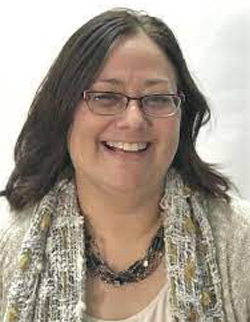 Sofia Fojas
Ed.D. Leadership program (2021-2024)
Dissertation Title: Leading From The Middle: A Study of the Impact of Arts Administrators’ Beliefs About Arts Education for High-Needs Students
Research Methods: Sequential explanatory mixed method design consisting of a quantitative phase employing a survey in phase one and an in-depth interview in phase two of the study.
Research Goals: I am hoping to improve our knowledge about County Art Coordinators’ beliefs and attitudes about the impact arts education has on student outcomes, particularly those youth in foster care, youth experiencing homelessness, and highly mobile youth in California. Through interviews and case study, I hope my research will reveal more nuance in how these administrators see themselves as change agents for those students who have been historically harmed in the K-12 educational system.
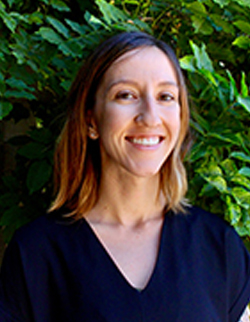 Lauren Reagan
Ed.D. Leadership program (2021-2024)
Dissertation Title: Measuring Critical Mentoring: Understanding How Differences in Staff Beliefs Affect Peer Mentoring Implementation in the CSU
Research Methods: Exploratory sequential mixed methods design, with an initial exploratory interview phase (qualitative) to instrument content and construct specifications. The second phase (quantitative) focuses on survey instrument validation techniques using IRT modeling and an exploration of factors associated with performance on the CM instrument. Evidence to support scale uses will be guided by Professional Testing Standards (APA, NCME, AERA, 2014/2018).
Research Goals: I hope to improve the quality of available measures for better understanding beliefs around mentoring, which is important when considering the popularity of mentoring as an intervention for supporting youth of color, former foster youth, and other underserved higher education students. Better understanding the beliefs with a validated scale for those who oversee mentorship can also inform diagnostic and formative uses of information, and potentially better shape professional development considerations and interventions.
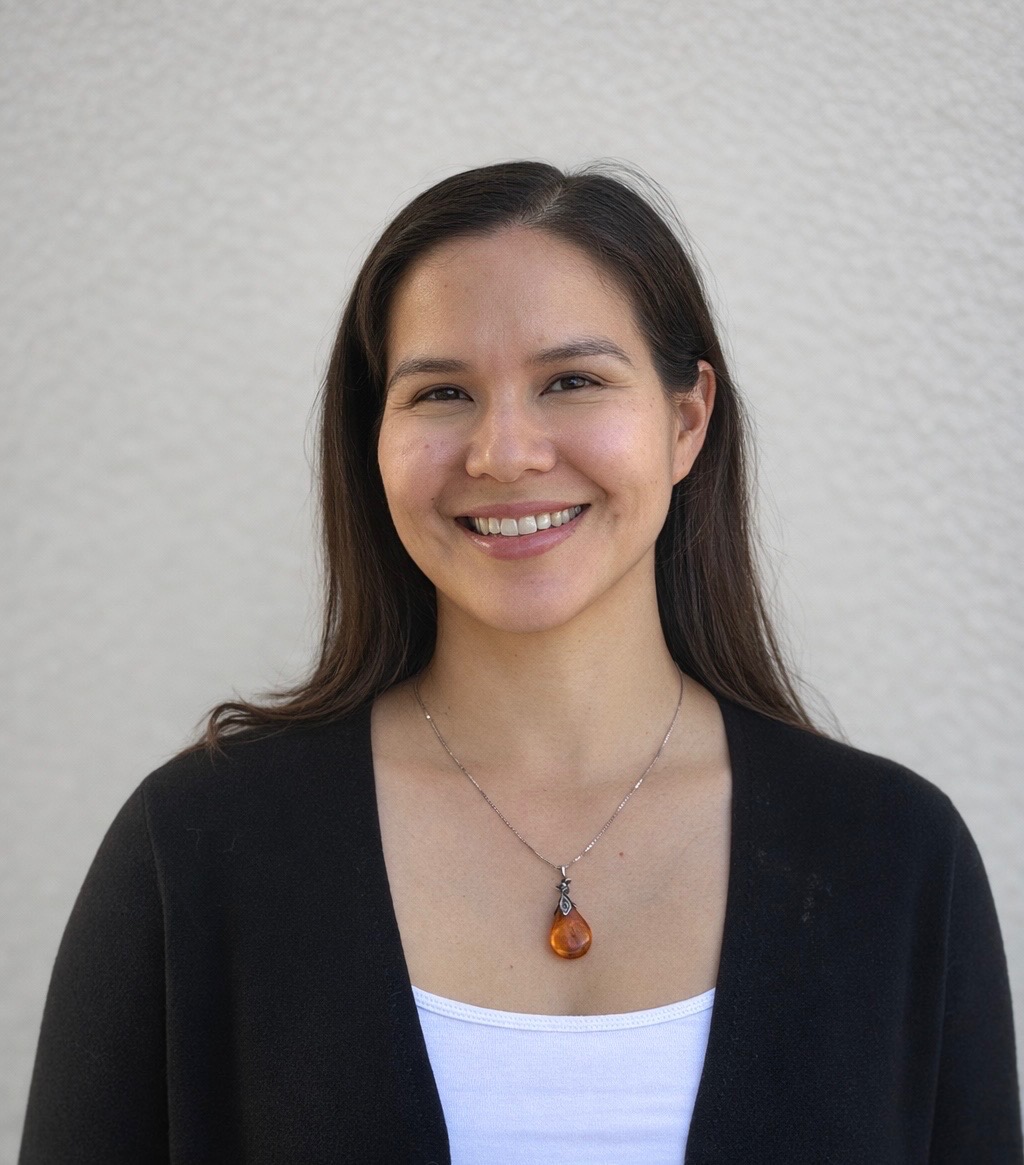 Sara Kendallen
Ed.D. Leadership program (2023-2026)
Dissertation Title:
Research Methods:
Qualitative study using semi-structured interviews with 23 state-level directors of assessment across diverse U.S. regions. Data were analyzed through a hybrid inductive–deductive coding process and cross-case synthesis, informed by Yin’s case study methodology.
Research Goals:
I aim to better understand how state directors of assessment interpret the purposes, roles, and consequences of standardized testing in K–12 education. My study explores how these leaders navigate the complex intersection of federal mandates, state policy, and political and organizational constraints. Through the voices of those who lead from the middle in state departments of education, I examine themes such as policy interpretation, stakeholder communication, data use for improvement versus compliance, persistent tensions surrounding equity, and constant demands for improvement. My goal is to contribute to a deeper understanding of assessment leadership–in terms of leaders’ beliefs, perceptions, and concerns–at the state level in the United States.